Introduction
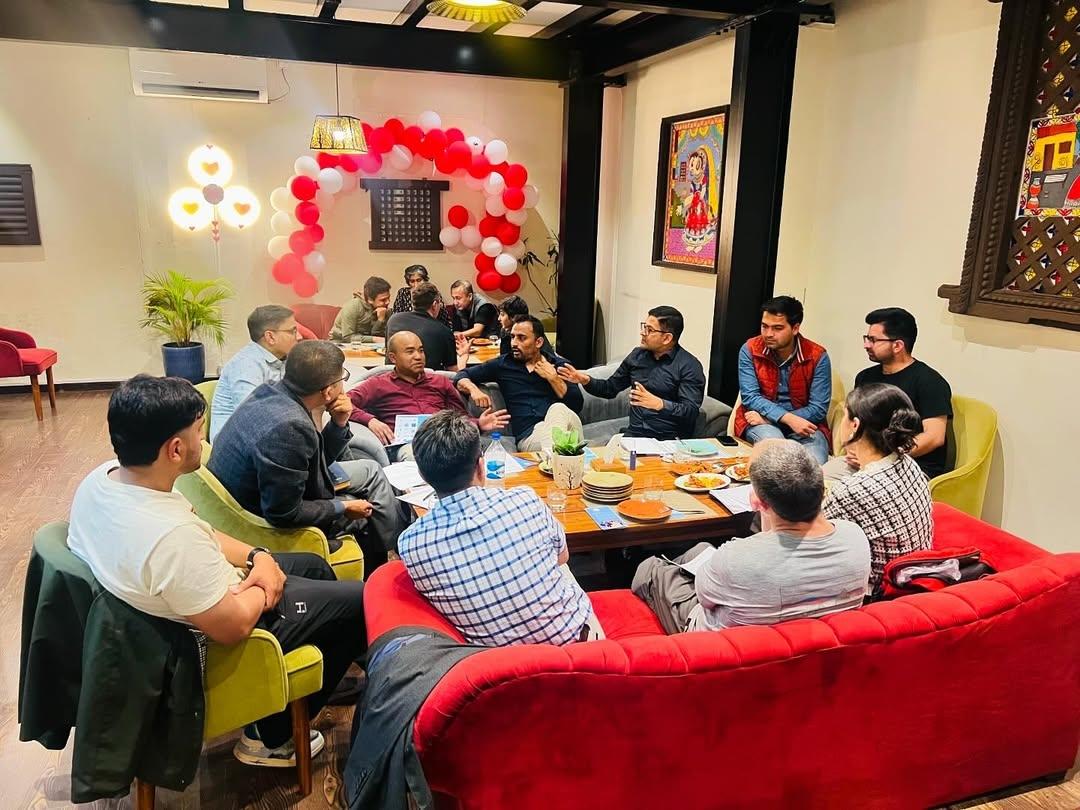
On April 20, 2025, in Kathmandu, Nepal, HAPSA Nepal convened a meeting of the Nepal Life Savers Program (NLSP) steering committee. The meeting began with a warm welcome to all representatives from partner organizations, medical institutions, and stakeholders who share the common goal of making lifesaving skills accessible to every Nepali citizen.
In recent years, NLSP has worked to close a significant gap in Nepal's emergency preparedness by training thousands of everyday people, first responders, students, and community volunteers in hands-only CPR and choking first aid. The creation of the steering committee marks a major step toward national expansion, standardization, and sustainability of the program.
Objectives of the Meeting
The main objectives of the meeting were to:
- Discuss the main findings and conclusions from the stakeholder consultation held in December 2024.
- Define and agree on the roles and responsibilities of the steering committee.
- Develop a clear action plan for the next six to twelve months, with a focus on strengthening advocacy, certification, training, and monitoring.
Mutual Priorities and Action Plan
- Update and Standardize the Curriculum: Examine and complete a standardized national hands-only CPR and choking first aid curriculum for community trainers, students, and laypeople.
- Establish Certification Framework: Guarantee the standard and legitimacy of CPR instructors at the community level, establish a uniform certification and instructor pathway.
- Create a National Cardiac Arrest Registry to record out-of-hospital cardiac arrests (OHCAs) and the outcomes of community response efforts.
- Policy Advocacy: Encourage the introduction and enactment of a Good Samaritan Law to safeguard and support bystander intervention. Additionally, advocate for the inclusion of CPR instruction in schools, the requirement of a driver's license, and workplace safety regulations.
- Research and Resource Mobilization: Assess the program's effectiveness, identify areas for improvement, and work with academic institutions on operational research. Investigate collaborations to obtain long-term funding for program expansion.
Functions and Duties of Members of the Steering Committee
The members of the steering committee will:
- Direct the program's strategic vision, take part in frequent meetings, either in person or virtually, and assist in determining the national course of NLSP.
- Support curriculum development, training quality, and process monitoring to ensure quality assurance.
- Take the lead in or assist with local outreach initiatives, instructor development, and training delivery.
- Set up a single, easy-to-follow system to certify instructors and train new trainers across Nepal.
- Write grants, advocate for national policies, and form alliances to improve community involvement.
- Participate in decision-making to guarantee that Nepal's national emergency response frameworks incorporate CPR and first aid preparedness.
Right Away Next Steps
| Action Item | In charge | Timetable |
| Draft of the standardized CPR curriculum | HAPSA Nepal committee and the key stakeholders. | |
| Create a framework for the Trainer Certification. | ||
| Draft the Good Samaritan Law advocacy brief | Policy and Advocacy Team |
Conclusion
All attendees reaffirmed their commitment at the end of the meeting to create a strong, locally led life-saving movement in Nepal. The steering committee will strive to make life-saving skills a national standard that is available, trusted, and used by everyone through solid collaborations, shared accountability, and well-defined action plans.
HAPSA Nepal sincerely appreciates the commitment of each organization and individual and looks forward to continued collaboration to save lives across Nepal. A follow-up meeting will be held to review progress on these action points and refine the roadmap ahead.